



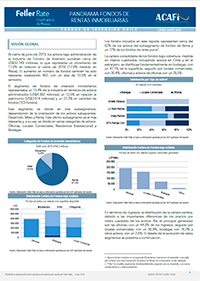
Panorama de Fondos de Rentas Inmobiliarias Primer semestre 2019
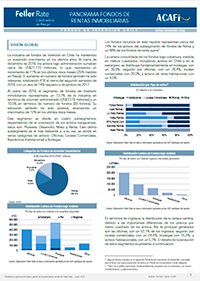
Panorama de Fondos de Rentas Inmobiliarias Segundo semestre 2018
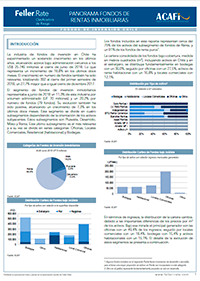
Panorama de Fondos de Rentas Inmobiliarias Primer semestre 2018
Casinozoid Explores the Development of Micro-Deposit Casino Gaming
The digital gambling landscape has undergone a revolutionary transformation over the past decade, with micro-deposit casino gaming emerging as one of the most significant developments in online entertainment. This evolution represents a fundamental shift in how operators approach player accessibility and engagement, moving away from traditional high-stakes models toward more inclusive gaming experiences that accommodate diverse financial capabilities and risk preferences.
Historical Context and Market Evolution
The concept of micro-deposit gaming originated in the early 2010s as online casinos began recognizing the limitations of conventional deposit structures. Traditional online gambling platforms typically required minimum deposits ranging from $20 to $100, creating barriers for casual players and those seeking to test new platforms without significant financial commitment. This approach effectively excluded a substantial portion of potential players who desired entertainment value without substantial monetary risk.
The transformation began when forward-thinking operators identified an untapped market segment consisting of recreational players who preferred smaller, more manageable deposits. These players were not necessarily seeking massive payouts but rather affordable entertainment experiences that could fit within modest budgets. The shift coincided with broader technological advances in payment processing, which made handling smaller transactions economically viable for operators.
Market research conducted between 2015 and 2018 revealed that approximately 40% of potential online casino players were deterred by high minimum deposit requirements. This data prompted industry leaders to reconsider their strategies, leading to the development of platforms that could accommodate deposits as low as $1 to $10. The micro-deposit model proved particularly successful in attracting millennials and Generation Z players, who demonstrated preference for low-risk, high-frequency gaming sessions over traditional high-stakes gambling.
Technological Infrastructure and Payment Innovation
The successful implementation of micro-deposit gaming required significant technological advancement, particularly in payment processing systems. Traditional banking methods and credit card processors often imposed fees that made small transactions unprofitable for operators. The solution emerged through partnerships with specialized fintech companies that developed cost-effective microtransaction processing capabilities.
Digital wallets and cryptocurrency integration played crucial roles in this evolution. Payment methods such as PayPal, Skrill, and Neteller reduced transaction costs while providing instant deposit capabilities. Cryptocurrency adoption further revolutionized the space by eliminating traditional banking intermediaries and associated fees. Bitcoin, Ethereum, and other digital currencies enabled operators to process deposits as small as $1 while maintaining profitability.
The regulatory landscape also adapted to accommodate these changes. Jurisdictions such as Malta, Gibraltar, and the United Kingdom updated their licensing frameworks to address micro-deposit gaming, establishing consumer protection measures specifically designed for low-stakes players. These regulations included mandatory deposit limits, cooling-off periods, and enhanced responsible gambling tools tailored to micro-deposit environments.
Casinozoid’s comprehensive analysis of this market segment, particularly through resources examining 5 deposit casinos, demonstrates how operators have successfully balanced accessibility with profitability. The platform’s research indicates that micro-deposit casinos often achieve higher player retention rates compared to traditional operators, as lower barriers to entry encourage more frequent engagement and longer-term relationships.
Player Psychology and Behavioral Patterns
The psychological appeal of micro-deposit gaming extends beyond simple affordability considerations. Research in behavioral economics suggests that smaller deposits create a different risk-reward perception among players, often leading to more rational decision-making and reduced gambling-related harm like here https://casinozoid.com/5-deposit-casinos/. Players who deposit $5 instead of $50 typically demonstrate more measured gameplay patterns and better bankroll management.
This behavioral shift has prompted operators to redesign their gaming offerings to better suit micro-deposit players. Game developers began creating titles with lower minimum bet requirements, extended gameplay duration, and more frequent small wins to maintain engagement. The focus shifted from attracting high-rollers to creating sustainable entertainment experiences for a broader audience.
Social gaming elements became increasingly important in micro-deposit environments. Features such as leaderboards, achievement systems, and community challenges provided additional value beyond monetary rewards. These elements helped operators build loyal player communities while maintaining profitability through volume-based revenue models rather than relying on individual high-stakes players.
The demographic profile of micro-deposit players differs significantly from traditional casino customers. These players are typically younger, more tech-savvy, and view online gambling as entertainment rather than investment opportunity. They demonstrate higher engagement with mobile platforms and prefer shorter gaming sessions that fit into busy lifestyles.
Industry Impact and Future Prospects
The micro-deposit gaming revolution has fundamentally altered the competitive landscape of online gambling. Established operators were forced to adapt their business models to remain competitive, while new entrants found opportunities to challenge market leaders by focusing specifically on low-deposit segments. This democratization of access has contributed to significant market expansion, with industry reports indicating that micro-deposit gaming accounts for approximately 25% of total online casino revenue as of 2023.
The impact extends beyond individual operators to encompass the entire gambling ecosystem. Software providers modified their development strategies to create games optimized for micro-deposit environments. Marketing approaches evolved to emphasize entertainment value and responsible gambling rather than potential winnings. Customer service protocols adapted to handle higher volumes of smaller-value interactions efficiently.
Regulatory bodies worldwide have taken notice of these developments, with many jurisdictions updating their oversight frameworks to address the unique characteristics of micro-deposit gaming. Enhanced player protection measures, including mandatory deposit limits and improved age verification systems, have become standard requirements for operators serving this market segment.
Looking toward the future, technological innovations such as artificial intelligence and machine learning are expected to further refine micro-deposit gaming experiences. These technologies will enable more personalized gaming recommendations, improved fraud detection, and enhanced responsible gambling tools specifically designed for low-stakes environments.
The micro-deposit casino gaming revolution represents more than a simple reduction in minimum deposit requirements; it embodies a fundamental shift toward more inclusive, accessible, and responsible gambling experiences. As Casinozoid’s ongoing research demonstrates, this evolution continues to reshape industry standards while providing valuable insights into player behavior and preferences. The success of micro-deposit gaming suggests that the future of online gambling lies not in attracting fewer high-stakes players, but in creating engaging, sustainable experiences for a broader, more diverse audience.